 Reviews


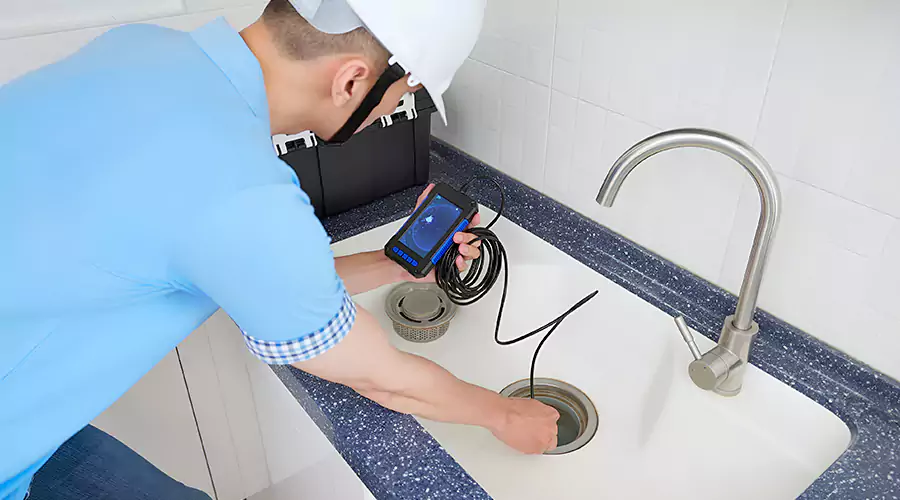
A drain inspection is a video examination of your pipes using a waterproof camera on a flexible cable. The standalone service costs $125 to $500 for most residential properties in 2026.
The value sits in what it prevents. Sewer repairs run $1,500 to $7,500 for spot fixes and $10,000 to $25,000 or more for full replacements. The camera finds those problems while they're still small.
No digging happens at any point. The camera enters through an existing opening and the pipe tells its own story on a screen.
How a Drain Camera Works
Sewer cameras ride a stiff push cable that a technician feeds through the line by hand. The small waterproof camera travels the full run from the house to the city connection or septic tank. Drains camera Inspection uses its own LED lighting because the pipe is a dark place.
Location tech turns pictures into a map. Sewer line cameras include a built-in transmitter so the operator can pinpoint the exact spot of any problem underground. A handheld locator above ground follows the beacon and marks the yard where the defect sits.
Equipment grade separates the pros. Professional-level sewer inspection cameras cost $2,000 to $8,000 and add self-leveling heads that keep the image upright through every turn. The typical run covers 50 to 100 feet and takes 30 to 60 minutes.
Insider Tip: Ask the technician to call out footage markers as the camera travels. The distance readout on screen turns "there's a root ball" into "there's a root ball 42 feet out."
What a Sewer Pipe Inspection Finds
A sewer pipe inspection reveals the defects that cause repeat clogs and future collapses. The camera identifies five problem categories that standard inspections miss. Each category has its own repair path and price tier.
- Cracks and fractures: In the pipe wall from ground movement or soil pressure.
- Tree root intrusion: Through joints where roots grow inside the pipe.
- Corrosion and scale: On older metal pipes that narrows the flow channel.
- Bellies: Where the pipe has sagged and solids pool in the low spot.
- Misaligned joints and collapsed sections: From settling or physical damage.
The footage also establishes the pipe's material and age. Clay or Orangeburg on screen changes every repair conversation that follows.
When You Need One
Four situations justify the camera fee on the spot. Each one involves a decision that footage settles better than guessing. Recurring problems top the list.
- Repeat backups: A sewage line inspection after the second clog in a year names the cause instead of treating symptoms again.
- Before any major repair: A sewer line inspection covers the side sewer running from the foundation to the main line or septic tank and confirms what the repair quote claims.
- Slow drains in one branch: A drain scope of a kitchen or bathroom line costs less than a full main inspection and isolates local problems.
- After a repair: A post-job camera pass proves the liner cured or the roots actually left.
One limitation deserves honesty here. A major blockage stops the camera until the obstruction is cleared so a fully plugged line needs snaking before scoping.
The Home-Buying Sewer Scope
A sewer scope inspection is the real estate name for the same camera service. Buyers need it because regular home inspections do not look at underground pipes and the sewer is the most expensive thing they skip during a sewer line inspection.
Age and trees set the priority. A sewer line scope is strongly recommended for properties built before 1990 or homes with large trees near the sewer path. The reasoning is pure math since the inspection costs $150 to $500 while major repairs or replacement run $3,000 to $25,000 or more.
Findings become negotiating power. Buyers can order the scope during the due diligence period and a documented defect either lowers the price or funds the repair before closing.
Insider Tip: Schedule the scope as an add-on to the general inspection. The add-on version runs $100 to $250 on top of the base inspection fee which beats standalone pricing.
What It Costs in 2026?
Drain inspection pricing depends almost entirely on access. An existing cleanout keeps the job cheap while a missing one adds labor. The table shows every 2026 tier.
| Scenario | 2026 cost |
|---|---|
| Add-on to a home inspection | $100 to $250 |
| Standalone with cleanout access | $125 to $500 |
| No cleanout with a toilet pull | $175 to $750 |
| New cleanout installation required | $700 to $2,000 total |
| Complex-access national average | $996 with most spending $271 to $1,727 |
The wide averages confuse shoppers for one reason. The $996 figure and the typical $250 to $500 figure are both accurate because they describe different job types. Your cleanout situation decides which column you live in.
DIY Cameras vs Professional Gear
Consumer gear exists and has a real ceiling. Renting pipe inspection cameras costs $100 to $200 per day while buying a basic model runs $300 to $1,000. The gap between that gear and a pro rig shows up in reach and diagnosis.
Reach comes first. Rental scopes extend only 150 to 200 feet while professional scopes reach 200 to 400 feet. A phone-app drain cam handles a sink branch and little more. Diagnosis comes second because a screen full of pipes means nothing without the experience to grade what's normal.
Physics adds the last limit. Plumbing inspection cameras of any grade can't see through murky standing water or past a full blockage. For a one-time need hiring a professional beats renting and learning the camera for a single day of use.
Insider Tip: Professional drain inspection cameras earn their price through the locator function. Finding a defect matters less than knowing exactly where to dig for it.
CCTV Inspections at Commercial Scale
CCTV pipe inspection is the same technology graded up for municipalities and large properties. Crawler robots replace push cables in big-diameter mains and the footage feeds formal condition reports. Cities inspect entire neighborhoods this way on rotating schedules.
Standards separate this tier. A commercial CCTV sewer inspection typically codes every defect against an industry grading system so two inspectors produce comparable reports. Property managers use the coded reports to budget repairs years ahead instead of reacting to failures.
Homeowners borrow the benefit indirectly. A contractor trained on coded commercial work brings sharper defect-reading to your residential line.
Reading the Report and Keeping the Footage
The inspection's product is the recording rather than the visit. Sewer video inspection produces footage you should keep permanently. Video recording and digital reports are popular add-ons especially when buying or selling a home.
Read the report in three passes. Confirm the total footage inspected matches your line's expected length first. Match every flagged defect to a distance marker second. Ask what each finding costs to fix and what happens if you wait third.
The file has a long shelf life. Footage from today becomes the before evidence for any insurance claim and the baseline for every future inspection.
Insider Tip: Request the raw video file rather than a summary PDF alone. A second contractor can re-read raw footage but can't re-read someone's conclusions.
Make It a Schedule
One drain inspection is a diagnosis while a schedule is a warning system. Healthy homes need the camera rarely and aging lines earn a rhythm. Three triggers set sensible intervals.
- Old pipes: Clay or cast iron mains deserve a look every 3 to 5 years.
- Known roots: Lines with treated root intrusion get scoped every 1 to 2 years to time the next cutting.
- Before every major landscaping or purchase decision new trees and new owners both change the line's future.
Pair the camera with maintenance cleaning and the two services share one visit fee.
Conclusion
A drain inspection converts an invisible pipe into a video file and a distance map. Access decides the price while the footage decides everything after it. Buyers of older homes get the most value per dollar of anyone. This week find out whether your home has a cleanout because that single fact sets your inspection cost tier before anyone quotes you.
FAQs
How long does a drain inspection take?
Most take 30 to 60 minutes including the report walkthrough. Difficult access adds time.
Can the camera damage my pipes?
No. The push cable and camera head are designed to glide through pipes and weigh far less than cleaning equipment.
Will the inspection clear my clog?
No. CCTV inspections don't include repairs or snaking so cleaning bills separately when needed.
What if my home has no cleanout?
The plumber can remove a toilet and use it as the access point which adds labor to the quote.
Is a sewer scope worth it on a newer home?
Usually only with symptoms or big trees nearby. Newer PVC lines fail far less often than pre-1990 materials.
Do sellers ever scope before listing?
Increasingly yes. A clean recent inspection removes a common negotiation lever before buyers can use it.